In early 2024, Summit Sun Investments LLC (“Summit Sun”) filed a lawsuit in federal court against the Montgomery County Board of Commissioners, calling into question Montgomery County’s water service billing practices. The case (Case No. 3:24-cv-00031) challenges the county’s policy of requiring new property owners to pay old water and sewer bills before new service is activated, even when a prior owner accrued those charges.
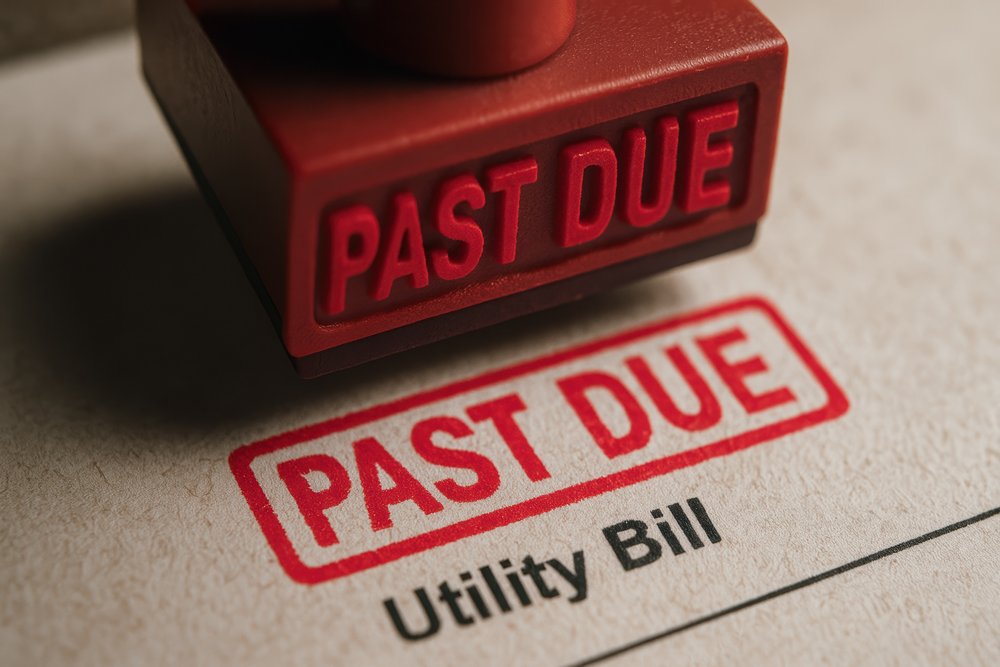
Summit Sun purchased a property in Dayton in 2023 after conducting a title search, which revealed it was free of liens and utility issues. However, when Summit Sun attempted to transfer water and sewer utility accounts into its name, Montgomery County Environmental Services (“MCES”) would not activate service until a nearly $5,750 delinquent balance from the previous owner was paid. This balance included previous unpaid charges, late penalties, and shut-off fees.
Summit Sun argued that there was no notice of this charge in the public record, and it should not be responsible for someone else’s utility bill. Summit Sun contended that this practice forces new owners to absorb debts they did not incur by withholding essential water and sewage services unless the old bill is paid, which is unlawful and amounts to coercion and a constitutional taking.
MCES argued that the Ohio Revised Code permits county water providers to “adopt, publish, administer and enforce rules for a water supply system” (ORC 6103.02) and Montgomery County enacted certain Rules and Regulations, that provide outstanding water bill delinquencies are the responsibility of the current property owner “even if they were not the owner of the property when the charges were accrued.” Services will not be restored until all delinquent amounts and charges on the parcel are paid.
The case remains pending with both sides filing motions for summary judgment. In the meantime, MCES continues to follow its rules and will not provide water service to a new property owner until any delinquent bills are paid.
When buying property, it is important to know the water service provider and the status of prior water bills, especially if the property currently does not have water service.
Before closing and as a condition of closing, the billing history for water and sewer accounts tied to the property from the seller should be reviewed for balances. This should also be done for all utility providers to check for unpaid balances. Specifically request the title company search for water and sewer delinquencies and pending assessments. If a potential past debt is discovered, negotiate an escrow holdback at closing, requiring a portion of the sale proceeds be set aside until any utility disputes are resolved.
The real estate attorneys at Pickrel Schaeffer and Ebeling can assist you with pre-purchase due diligence, including but not limited to utilities. Contact them today at 937.223.1130 or pse@pselaw.com.